
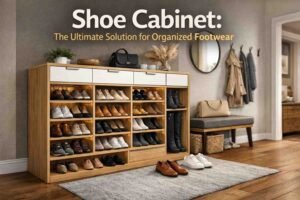
Shoe Cabinet: The Ultimate Solution for Organized Footwear
Keeping your shoes organized is more than just a matter of convenience; it’s a step toward a cleaner, more stylish home. A shoe cabinet is the ideal solution for storing footwear in an orderly, accessible, and visually appealing way. Unlike simple shoe racks, shoe cabinets offer a blend of functionality and elegance, making them suitable for a variety of spaces, from entryways to bedrooms.
With a shoe cabinet, you can not only protect your shoes from dust and damage but also enhance your home décor. Its practical design helps maintain cleanliness while ensuring that every pair of shoes has its designated place.
What Is a Shoe Cabinet?
A shoe cabinet is a closed storage unit designed to hold multiple pairs of shoes neatly. come in various sizes, shapes, and materials, ranging from compact units suitable for small apartments to large, freestanding pieces that accommodate extensive shoe collections.
Unlike open shoe racks, a cabinet provides enclosed storage, keeping shoes hidden from view and reducing visual clutter. Many designs include multiple compartments, adjustable shelves, or tilted racks, allowing you to organize shoes by type, size, or frequency of use. Some modern ones also include additional storage for accessories like umbrellas, bags, or shoe care products.
Benefits of Using a Shoe Cabinet
The advantages of having an organization extend beyond organization. First, it protects your footwear from dust, moisture, and accidental damage, extending the life of your shoes. A cabinet also contributes to a tidy home, preventing shoes from piling up in hallways or bedrooms.
In addition to functionality, add aesthetic value. With modern designs available in wood, metal, or laminate finishes, a can seamlessly complements your home décor. For busy households, it encourages family members to maintain cleanliness and order, making it easier to find shoes when needed.
Types of Shoe Cabinets
Shoe cabinets are available in a variety of designs to suit different spaces and personal styles. Tilt-out cabinets are a popular choice for compact entryways, as they store shoes vertically and minimize floor space usage. Closed cabinets with multiple shelves are ideal for larger spaces or families with extensive shoe collections. Open-front cabinets combine accessibility with display, allowing you to showcase your shoes while keeping them organized.
Materials also vary: wooden cabinets offer a classic and warm aesthetic, while metal cabinets are durable and modern. Some cabinets feature additional elements such as mirrors, drawers, or decorative panels, adding both functionality and elegance to the storage solution.
Choosing the Right Shoe Cabinet
Selecting the perfect one involves assessing your storage needs, available space, and home décor preferences. For small apartments, a compact cabinet with vertical storage or tilt-out drawers maximizes efficiency. For larger spaces, freestanding cabinets with multiple compartments can accommodate more shoes and provide a polished look.
Consider materials and finishes that match your interior. Wooden cabinets create a timeless, warm appearance, whereas laminated or metal finishes offer contemporary appeal. Additionally, think about functionality: adjustable shelves, pull-out trays, and storage for accessories can enhance the utility of your shoe cabinet.
Placement Tips for a Shoe Cabinet
The location of a sign significantly impacts its effectiveness. Entryways are ideal, providing a convenient spot to remove or put on shoes when entering or leaving the home. Bedrooms or closets are also suitable for storing less frequently worn shoes or seasonal footwear.
Ensure that the cabinet is placed in a well-ventilated area to prevent moisture buildup, which can affect both the cabinet and your shoes. Positioning near lighting or mirrors can enhance both functionality and aesthetic appeal, creating a welcoming and organized space.
Caring for Your Shoe Cabinet
Maintaining it ensures it remains both functional and attractive for years. Regularly wipe down surfaces to remove dust and dirt. For the dressing table chair, occasional polishing helps preserve the finish, while metal cabinets can benefit from a soft cloth to prevent scratches. Avoid overloading compartments beyond the recommended capacity to maintain structural integrity. Proper care not only extends the life of the cabinet but also keeps your footwear in excellent condition.
Advantages Beyond Organization
Beyond storing shoes, a shoe cabinet offers additional benefits. It protects floors from scratches and dirt, keeps the home visually appealing, and can serve as a decorative furniture piece. Some cabinets also provide space for accessories, enhancing organization in entryways or bedrooms.
For households with children or multiple family members, it encourages tidiness and responsibility, ensuring that everyone maintains their own shoe storage area. Its versatility and design make it both a practical and stylish investment for any home.
Final Thoughts
In conclusion, a shoe cabinet is an essential addition to any home that values organization, cleanliness, and style. It provides functional storage, protects footwear, and enhances the aesthetic appeal of your space. With a variety of designs, materials, and sizes available, it is possible to find a shoe cabinet that fits your specific needs while complementing your interior décor.
(FAQs)?
1. What is the best material for a shoe cabinet?
Wood, metal, and laminate are common choices. Wood offers a warm, classic look; metal provides durability; laminate is budget-friendly and versatile.
2. How many pairs of shoes can a shoe cabinet hold?
The capacity varies depending on size and design. Compact cabinets may hold 10–15 pairs, while larger multi-shelf units can accommodate 30–50 pairs or more.
3. Where should I place a shoe cabinet?
Entryways are ideal for daily-use shoes, while bedrooms and closets work well for seasonal or less frequently worn footwear.
4. Can a shoe cabinet help prevent shoe odor?
Yes, keeping shoes organized and off the floor improves ventilation and reduces odor buildup, especially when the cabinet is well-ventilated.
5. Are shoe cabinets suitable for small apartments?
Absolutely. Compact designs, tilt-out drawers, and vertical storage options maximize space and keep shoes organized in limited areas.